Elevate Your Designs with Timeless Floral Artistry
In the dynamic world of graphic design, certain visual elements possess a universal, enduring appeal. Flower art is one such powerful resource, offering designers an immediate connection to nature, beauty, and emotion. A well-crafted floral illustration or clipart set can transform a mundane project into a visually captivating experience, making it an invaluable asset for anyone looking to enhance their creative toolkit.
The Strategic Value of Floral Design Elements
Modern graphic design thrives on emotional resonance and clear communication. Integrating flower art serves both purposes. From a branding perspective, specific blooms can symbolize growth, elegance, freshness, or reliability, helping to build a nuanced brand identity. For user experience, floral motifs can soften interfaces, guide the eye, and create a welcoming atmosphere on websites or apps. In visual hierarchy, they act as perfect focal points or subtle background textures that add depth without overwhelming text.
Practical Applications Across Creative Projects
The versatility of high-quality floral clipart is immense. Consider how these assets can streamline your design workflow and elevate various projects:
- Branding & Logo Design: Use delicate line art or bold floral silhouettes to create distinctive logos and comprehensive brand identity systems.
- Marketing & Social Media Graphics: Design eye-catching posters, banners, and social media posts that stop the scroll and boost engagement.
- Packaging & Merchandise: Apply illustrations to product labels, tumbler wraps, apparel printing, and tote bags for a professional, market-ready look.
- Editorial & Web Design: Enhance magazines, blog headers, and UI elements with decorative borders, icons, or featured images.
- Digital & Printable Products: Create beautiful Canva templates, Procreate brushes, vinyl stickers, scrapbooking pages, and printable wall art.
Selecting and Implementing Quality Assets
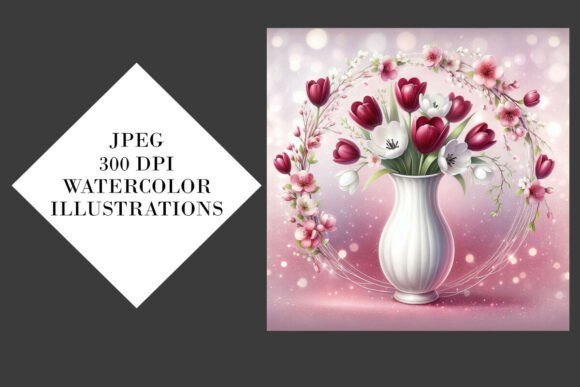
Not all creative assets are created equal. When choosing a flower art package, prioritize technical quality and usability. Look for high-resolution JPEG files that ensure crisp results for both digital screens and large-format printing. Commercial use licensing is non-negotiable for professional projects, as it provides the legal freedom to monetize your designs.
Evaluate the art style for consistency with your project's aesthetic—whether it's modern minimalist, vintage, watercolor, or botanical illustration. Consider the color palette; versatile assets often come in neutral tones or allow for easy color adjustment to match specific brand guidelines. Always check compatibility with your preferred design software, from Adobe Illustrator to Canva or Procreate.
Tips for Effective Integration
To maximize impact, apply these design principles:
- Maintain Visual Balance: Use floral elements to complement, not compete with, your core message. Employ them as accent pieces, background textures, or framing devices.
- Ensure Scalability: Test your designs at various sizes, from a business card to a billboard, to ensure details remain clear and effective.
- Respect Audience Expectations: Align the floral style with your target demographic. A luxury brand might use elegant rose motifs, while a children's brand could opt for playful, colorful daisies.
- Build a Cohesive System: Use a consistent floral style across all touchpoints—from your website's UI design to your packaging and social media graphics—to strengthen brand recognition.
Ultimately, the thoughtful selection and application of design elements like flower art separate good design from great design. By investing in professional, versatile creative assets, you empower your projects with visual sophistication, emotional depth, and a polished finish that communicates quality and care to your audience. This attention to detail is what builds trust, enhances user experience, and makes your creative work stand out in a crowded visual landscape.